


Key Takeaways
- A crossbite happens when upper teeth sit inside the lower teeth when you bite down.
- It can involve a single tooth or several, at the front or the back of the mouth.
- Causes include family traits, thumb sucking, pacifier use, and baby teeth lost early or late.
- Jaw soreness, chewing on one side, and uneven tooth wear are signs you can spot at home.
- A crossbite may not correct itself, so an early assessment can help clarify treatment options while a child is growing.
- Treatment can include expanders, braces, clear aligners, or surgery for complex cases.
A Simple Look at Crossbites
You bite into a sandwich and something feels off. Maybe your child chews everything on one side, or you notice their top teeth tucking behind the bottom ones when they smile in a photo. A complimentary consultation at Orthodontic Smile Studio can help clarify what you’re noticing and what treatment options may fit.
A crossbite is a type of bite misalignment where one or more upper teeth sit inside the lower teeth instead of outside them when your jaws come together. It can affect a single tooth or several at once.
What a Crossbite Looks Like
Bite down gently in front of a mirror and look at how your teeth overlap. Normally, upper teeth rest slightly outside the lower ones. With a crossbite, that overlap flips, and it can show up on one side of the mouth or both.
Types of Crossbites You Might Hear About
Anterior Crossbite at the Front Teeth
Here, the upper front teeth sit behind the lower front teeth. Depending on the case, it may affect how the teeth function and how the smile or facial profile looks.
Posterior Crossbite at the Back Teeth
With a posterior crossbite, the upper molars bite inside the lower molars. This one is often linked to a narrow upper jaw, one of several common bite problems orthodontists treat.
Tooth-Related vs. Jaw-Related
A dental crossbite involves tooth position only. A skeletal crossbite involves the alignment of the jaws themselves, which shapes how treatment is planned. If you’re wondering who handles this kind of care, an orthodontist focuses on bite and alignment concerns.
Common Causes & Signs to Watch For
What Causes a Crossbite
Family traits play a role, since jaw size and shape often run in families. You can read more about how crooked teeth are hereditary and what else shapes alignment. Habits like thumb sucking, pacifier use, and tongue thrust can contribute too. Baby teeth that fall out earlier or later than expected can also be part of the picture. These factors can contribute to malocclusion, a term for problems with how the teeth meet.
Signs You Can Notice at Home
Some clues show up during everyday moments, like breakfast or bedtime.
- Jaw soreness after meals or first thing in the morning
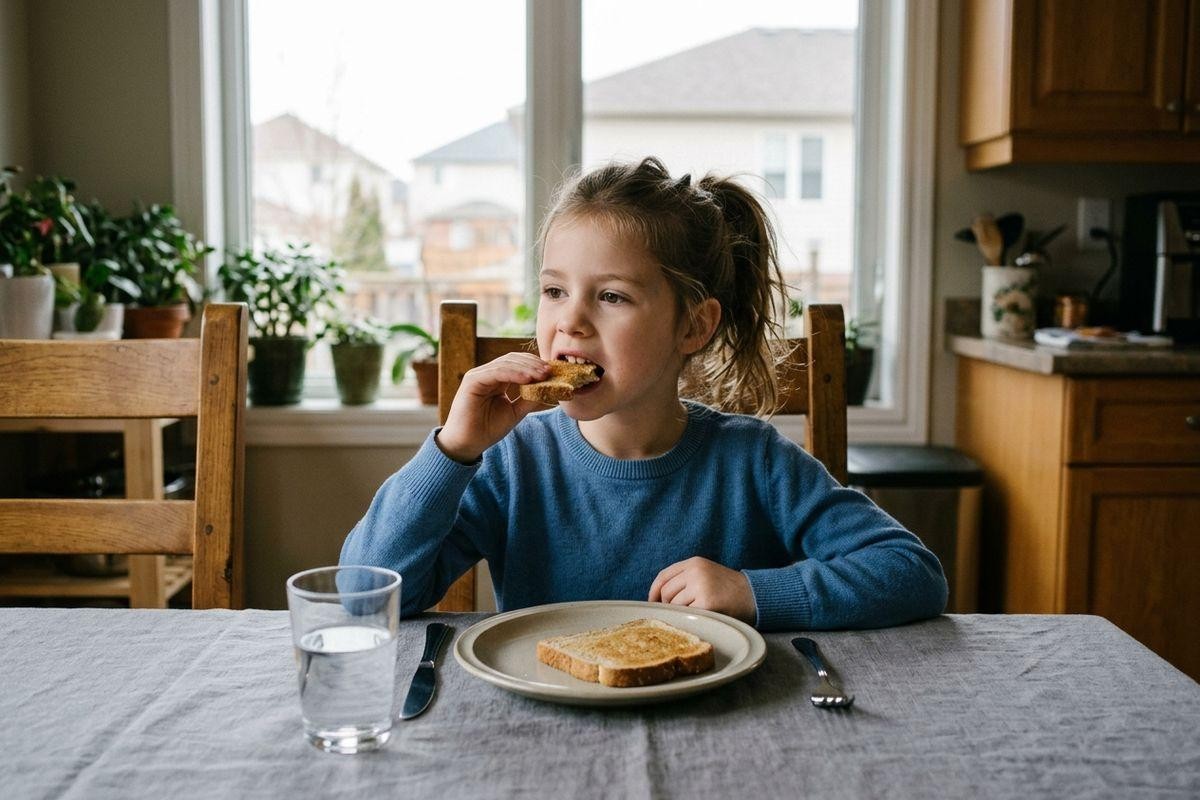
- Chewing mostly on one side of the mouth
- Biting the inside of the cheek
- Teeth that look worn down unevenly
- Headaches that keep coming back
Why an Untreated Crossbite Matters
When teeth meet at the wrong angle, enamel may wear down faster. Some people may also notice strain around the jaw from the extra work.
For children, a crossbite can affect how the jaws develop while the face is still growing. An assessment can help clarify whether early orthodontic treatment may be useful.
How Crossbites Change With Age
A crossbite may not straighten out on its own. An early assessment gives the team a chance to guide jaw growth while it’s still happening, which may make treatment simpler down the road. That’s the idea behind two-phase treatment for younger smiles.
Crossbite Treatment Options for Kids & Adults
Options for Growing Smiles
A palatal expander can widen the upper jaw in children whose bones are still growing. Once there’s enough room, braces or clear aligners can help move the teeth into place.
Options for Adults
Milder adult cases can often be treated with braces or Invisalign. Complex skeletal cases may involve jaw surgery alongside orthodontic care. Afterward, retainers help hold everything where it belongs.
What to Expect at Your Visit
Your first visit is relaxed. The team takes a digital scan, checks how your teeth come together, and talks through what they see in plain language. You can see how office visits are usually paced.
From there, a plan gets built around your goals, your schedule, and your comfort level. Whether you’re exploring care for your child or yourself, treatment at Orthodontic Smile Studio in Kitchener starts with a conversation.
Take the Next Step Toward a Comfortable Bite
If you’ve noticed uneven wear, a sore jaw, or teeth that don’t line up the way they should, a bite check can give you answers. The friendly team at Orthodontic Smile Studio welcomes kids, teens, adults, and seniors, and they take the time to explain every option, including payment plans and insurance.
Call today to book your consultation and find out what your smile needs.


