


Key Takeaways
- An exam and digital scan help show whether braces or clear aligners suit your teeth.
- Aligners need 20 to 22 hours of wear each day to move teeth on schedule.
- Braces stay on around the clock, which suits complex movements and growing kids.
- Aligners come out for meals, so no food is off the list.
- Braces often take 12 to 36 months, while aligners often take 12 to 18 months.
- Retainers follow either option because teeth can shift over the years.
How to Choose Between Braces & Clear Aligners
You’ve caught yourself covering your mouth in photos, or you’ve noticed your child’s front teeth starting to overlap. The team at Orthodontic Smile Studio hears this question every week. Now you’re sitting between two choices, and both sound reasonable. Metal brackets you know from your own school days, or clear trays a coworker keeps talking about.
The right choice comes down to five honest questions about your teeth, your habits, your schedule, and your budget, and a dentist in Kitchener, ON can walk you through each one before you commit.
Question 1, What Does Your Smile Actually Need?
Start with the teeth themselves. Crowding, gaps, and bite concerns each ask for a different amount of movement. A small touch-up on two front teeth is a different project than shifting a full arch.
An exam and a digital scan give the team a clear picture of what’s happening, so the answer isn’t a guess.
When Braces Tend to Fit
Braces handle complex movements and keep working around the clock without any input from you. That steady approach often suits kids and teens whose jaws are still growing.
When Clear Aligners Tend to Fit
Mild to moderate cases are common ground for aligners. They also come up often for adults whose teeth drifted after a retainer slipped out of the nightly routine years ago.
Question 2, Daily Wear Time of 20 to 22 Hours
This is the question people skip, and it matters more than any other. Aligners move teeth only while they’re in your mouth. Leave them in a napkin at lunch, and progress pauses.
Braces don’t ask anything of you here. They’re bonded on and stay put until the day they come off. If your days run long and your mind runs in twelve directions, that’s worth weighing.
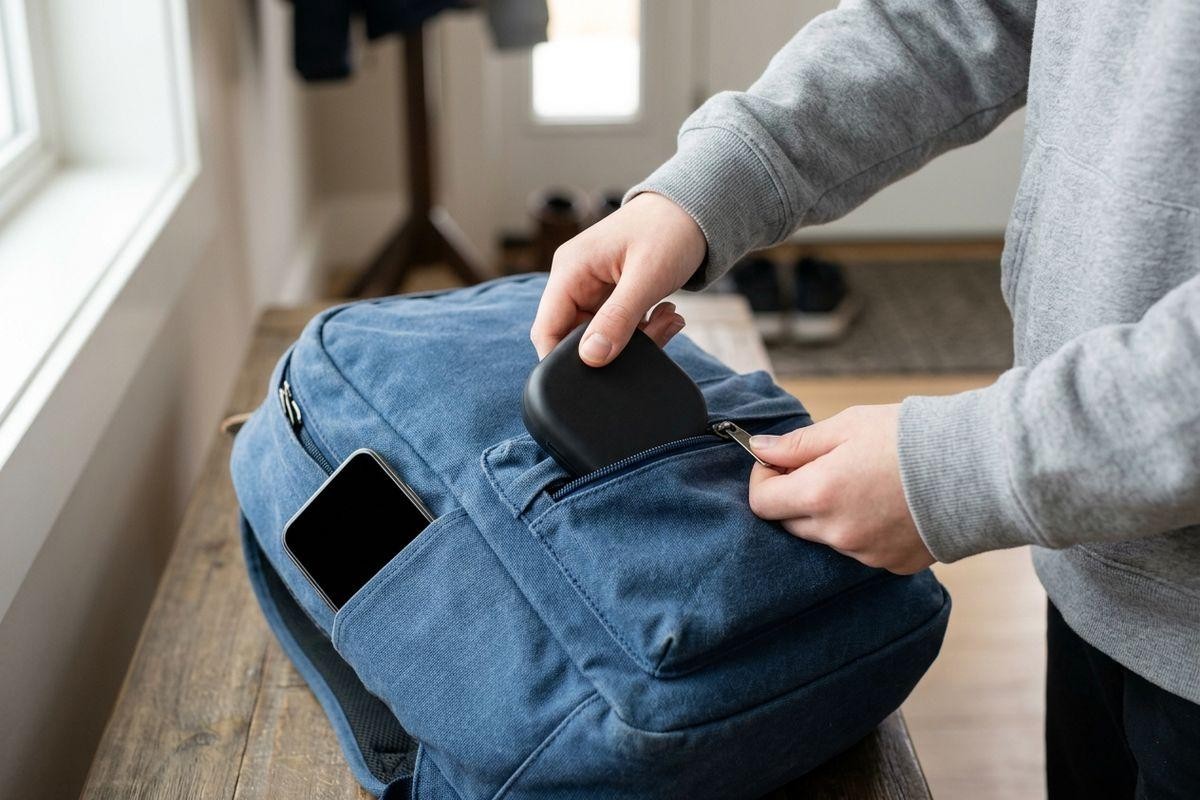
A tray case in your bag and a phone reminder go a long way toward keeping aligners on track.
The Short Daily Window for Meals
Think of it as a short daily window. Trays come out for meals, then go back in right after you finish and brush. Snacking all afternoon is what quietly eats into your wear time.
Question 3, How Do You Feel About the Look & Feel?
Metal brackets are visible, and some people don’t mind that at all. Teens often pick colours and treat them as part of their look. Others would rather their treatment stay quiet.
Clear trays blend in, which helps if you’re on video calls all week or have a season of photos ahead. With no wires, there are also fewer pokey spots against your cheeks.
Events, Work & School Life
Weddings, graduations, and job interviews all tend to nudge people toward aligners. Clear bracket options also exist if braces suit your case better but you’d rather they stay subtle.
Question 4, What Fits Your Daily Routine & Meals?
Braces come with a food list. Crunchy apples, hard candy, and sticky caramel can loosen a bracket, so you learn to cut things up and skip a few favourites.
Aligners come out for eating, so nothing is off limits. Brushing and flossing stay simple too, since you clean your teeth the way you always have.
Office Visits & Check-Ins
With braces, expect wire adjustments roughly every 8 to 10 weeks, plus the occasional extra visit if a bracket breaks. Aligners involve periodic fit checks to confirm your teeth are tracking as planned.
Question 5, What Works for Your Budget & Timeline?
Cost ties closely to how much movement your case needs, not just the method you pick. Ask what the quoted fee covers, including visits, replacement trays, and retainers, so there are no surprises later.
Insurance often covers part of the treatment, and payment plans can spread the rest out. Families treating more than one child should ask about coverage across the household.
Treatment Time Comparison
Braces often run 12 to 36 months. Aligners often run 12 to 18 months. Your timeline depends on your teeth, so treat those ranges as a starting point rather than a promise.
Retainers After Treatment
Teeth can shift over the years, whichever route you take. A retainer plan gets discussed upfront so you know what nightly wear looks like once the trays or brackets are gone.
Talk It Through With the Team
You don’t have to sort this out alone. Bring your questions, your schedule, and your budget to the table, and the team at Orthodontic Smile Studio can help you compare both options with a digital scan of your own teeth.
Book a consultation with a dentist in Kitchener, ON and find out which path fits your life.


