

Key Takeaways
- Clear aligners are custom-fit plastic trays that shift your teeth gradually over time
- A digital scan helps map out your entire treatment plan before you start
- You’ll switch to a new tray every 1 to 2 weeks as your teeth move
- Treatment can fix gaps, crowding, and mild to moderate bite issues
- Treatment plans typically last between 12 and 18 months depending on your case
- Wearing your trays 20 to 22 hours a day helps keep your treatment on track
You look in the mirror and notice your teeth have shifted a bit since your teen years. Or maybe you’ve always wanted straighter teeth but never wanted the look of metal brackets and wires. Orthodontic Smile Studio sees people who want to work on their smile without changing how they look while doing it, and clear aligners have become a common option for that.
Clear aligners work by using a series of custom-made plastic trays that gradually shift your teeth into new positions, with each tray applying gentle pressure over a period of 1 to 2 weeks before you move on to the next one. The process relies on digital planning and steady, consistent wear to guide your teeth step by step toward their new positions.
What Are Clear Aligners
Clear aligners are custom-fit plastic trays that fit snugly over your teeth. They’re made to your exact tooth shape using digital scanning technology, so each tray fits like a glove.
Unlike metal braces, clear aligners are see-through and sit close to your teeth, and many people won’t even notice you’re wearing them during conversations or in photos. Since they’re removable, you can take them out for meals, brushing, and special occasions.
How Do Clear Aligners Move Your Teeth
The Step-By-Step Process
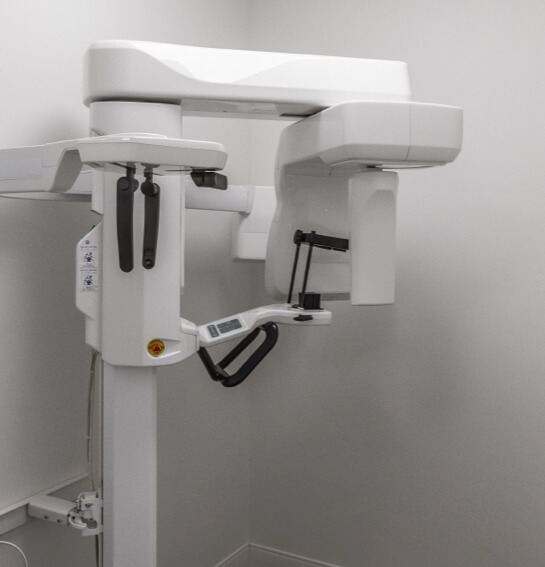
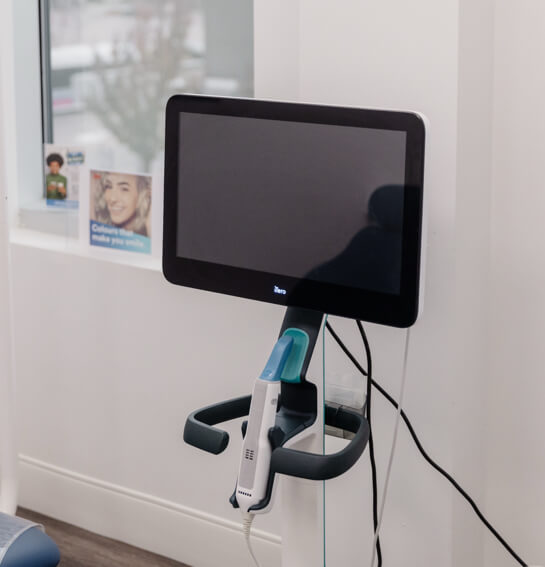
Treatment starts with a digital scan of your teeth. This scan creates a detailed picture of your bite, which your orthodontist uses to build out your full treatment plan from start to finish. If you want a closer look at how these trays get produced, the page on how Invisalign is made walks through the process and requirements.
From there, you receive a series of trays, each one slightly different from the last. Every tray applies gentle pressure to specific teeth, nudging them toward their planned position, and you’ll wear each tray for about 1 to 2 weeks before switching to the next one in the series.
The Role of Attachments
Some treatment plans include small, tooth-coloured shapes bonded to certain teeth. These attachments give the aligner tray something extra to grip onto, which helps guide more complex tooth movements.
Not every case needs attachments. Whether you need them depends on which teeth need to move and how far they need to shift.
What Can Clear Aligners Fix
Clear aligners can help with a range of smile concerns, including gapped or crowded teeth. They can also help manage overbite, underbite, and crossbite issues, along with mild to moderate misalignment.

When Braces May Work Better
Clear aligners aren’t the right fit for every situation. Severe crowding or rotated teeth may need the fixed control that traditional braces offer. Complex bite corrections and cases involving multiple missing teeth often call for a different approach as well. Your orthodontist can help you figure out which option fits your specific smile, and the comparison on Invisalign versus traditional braces covers this in more detail.
What To Expect During Treatment
Daily Habits and Care
You’ll want to wear your aligners for 20 to 22 hours each day to keep your treatment moving forward as planned. Remove them only for eating and drinking, other than water. When it’s time to clean them, mild soap and a soft toothbrush work well, and the guide on how to clean Invisalign retainers offers more tips to keep your trays clear and fresh.
Treatment Timeline
Treatment plans typically take between 12 and 18 months to complete, though this varies based on how complex your case is. Sticking to your daily wear schedule helps keep your treatment moving at the pace your orthodontist planned for you.
Cost, Coverage, and Choosing Your Provider
Payment For Treatment
The cost of clear aligner treatment depends on your specific case and how long your treatment plan runs. Dental insurance may cover part of the cost, so it’s worth checking your plan details on the financial information page. Many orthodontic offices also offer payment plans to help spread out the cost over time.
Find an Orthodontist in Kitchener
When you’re looking for an orthodontist in Kitchener to guide your clear aligner treatment, ask about their experience working with aligner cases similar to yours. Take time to talk through your smile goals so your treatment plan reflects what you actually want. Reviewing your personalized treatment plan together gives you a clear picture of what to expect from start to finish.
Orthodontic Smile Studio welcomes families, teens, and adults who want to learn more about clear aligner treatment. Reach out to the team today to book a consultation and find out if clear aligners are a good fit for your smile.